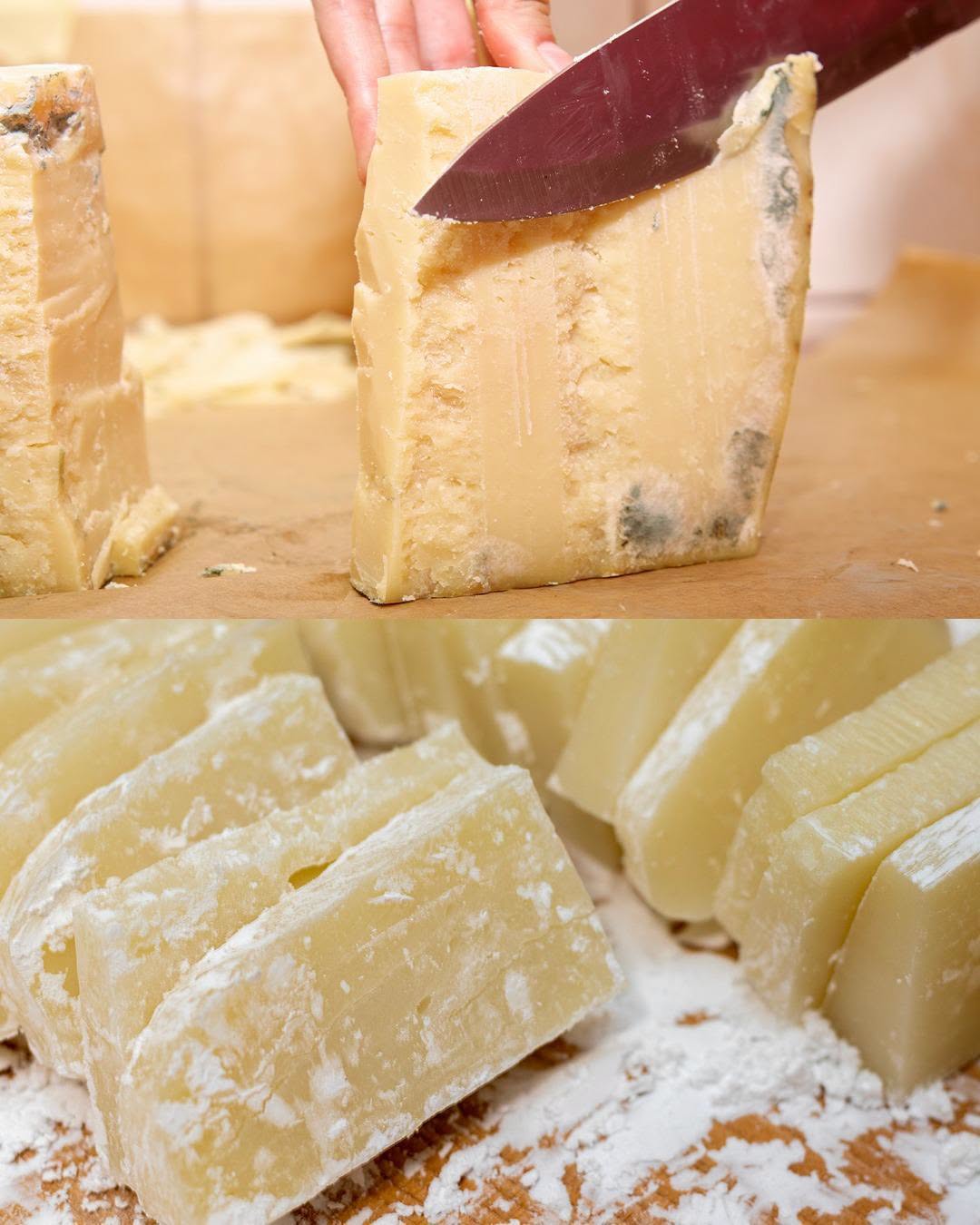
Parmigiano-Reggiano is a low-moisture, long-aged hard cheese crafted with traditional methods. Storing it correctly preserves its crystalline texture, rich nutty flavor, and prevents mold or moisture loss.
🧀 Core Preservation Principles
| Storage Method | Ideal Duration | Best For | Technical Advantage |
| Paper + Outer Shield | 3–4 Weeks | Daily cooking wedges | Allows gas exchange while protecting lipids from ambient air. |
| Vacuum Sealing | 3–6 Months | Bulk or reserve blocks | Prevents oxidation and microbial growth entirely. |
| Damp Cloth Wrap | 1–2 Weeks | Partially dried rind blocks | Hydrates surface proteins without risking mold. |
🧪 Food Science: Why Storage Techniques Matter
-
Lipid Sweat & Breathability: Wrapping hard cheese directly in plastic cling film traps exuded surface fats and water vapor. This creates a high-humidity microclimate that triggers surface mold.
-
Refrigeration Humidity: Storing Parmigiano in the warmest part of the fridge—such as the vegetable or crisper drawer (4°C–8°C / 39°F–46°F)—maintains humidity balance without freezing fat crystals or drying out the rind.
-
Mold Remediation Mechanics: Because Parmigiano-Reggiano is a low-moisture hard cheese, mold mycelium cannot easily penetrate deep into the dense protein matrix. Scraping off surface mold leaves the underlying cheese completely safe to eat.
🔪 Step-by-Step Storage Instructions:
LOOK NEXT PAGE DEAR──►
For Complete Cooking STEPS Please Head On Over To Next Page Or Open button (>)