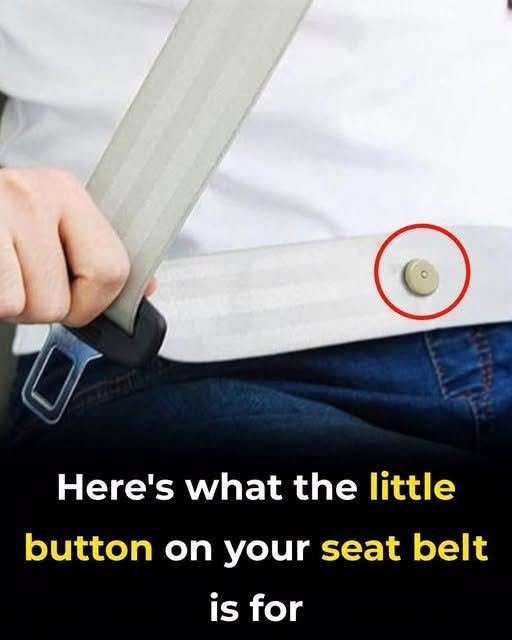
If you’ve ever looked closely at a car’s seat belt, you may have noticed a tiny plastic button attached to the belt near the buckle. It is easy to overlook, but this small component has a simple and useful purpose. Commonly called a stop button, retaining button, or seat-belt stop, it helps keep the buckle in a convenient position when the belt isn’t being worn.
Introduction to an Overlooked Automotive Component
Modern vehicles are packed with complex safety mechanisms, digital displays, and sophisticated engineering marvels designed to protect passengers during travel. However, some of the most effective features in daily driving are remarkably subtle and mechanical. Among these minor details is the tiny plastic button attached directly to the seat belt webbing near the buckle. While most drivers glance past it without a second thought, this unassuming component solves a persistent daily ergonomic problem. Without it, entering and buckling up would involve minor daily frustrations every single time you slide into the driver’s seat or passenger chair.
The Primary Purpose and Exact Location
The button is usually located on the webbing just below the buckle. Its primary function is to prevent the buckle from sliding too far down the belt. Without it, the buckle could move freely toward the lower anchor when the belt retracts, making it harder to reach the next time you get into the vehicle. By halting the downward descent of the heavy metal latch tongue, the retaining button ensures that the buckle remains suspended at an accessible height right near your torso or hip level. This thoughtful placement eliminates the need to fish around the bottom of the car seat or reach down to the floor anchor every time you need to fasten your safety restraint.
Detailed Mechanics of the Retraction System
The way it works is extremely simple. When you release the seat belt, the spring-loaded retractor mechanism pulls the woven fabric webbing back into its housing. As the buckle moves along the belt during this retraction process, it eventually reaches the small plastic button. Because the button is securely fastened through the webbing weave, it acts as a physical barrier and stops further downward movement of the buckle. This mechanical interaction relies purely on physical impedance, blocking the metallic latch from descending any further toward the floor mounting point.
Distinguishing Convenience Features from Crash Safety Components:
LOOK NEXT PAGE DEAR──►
For Complete Cooking STEPS Please Head On Over To Next Page Or Open button (>)