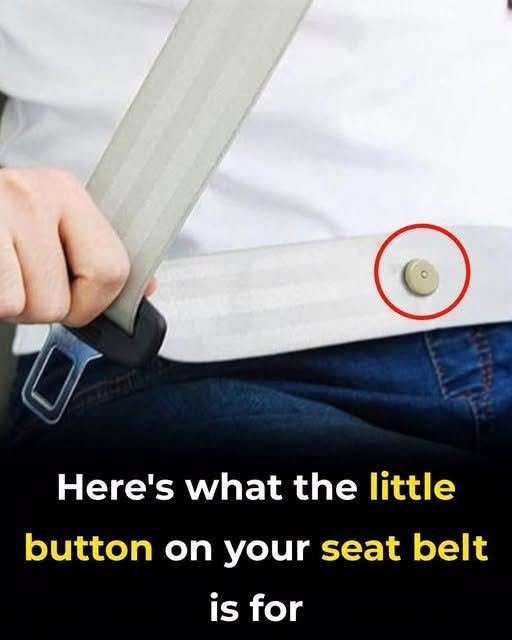
It is vital to understand that the stop button is mainly a convenience feature rather than a component responsible for protecting you in a crash. While it makes daily vehicle operation smoother and more ergonomic, it does not bear structural loads during a sudden collision or impact. The critical parts of a seat-belt system include the webbing, buckle, latch, retractor, anchors, and, depending on the vehicle, pretensioners and load limiters. These heavy-duty safety components are engineered to restrain occupants securely during violent collisions, whereas the small plastic button’s sole domain is everyday usability.
Common Wear and Tear Issues: Cracking and Loss
Because the button is usually made of plastic, it can sometimes crack, loosen, or fall off over years of frequent use, temperature fluctuations, and mechanical stress. If that happens, the buckle may slide farther down the belt than intended. When the retaining button breaks away or vanishes entirely, drivers immediately notice the loss of convenience as the metal latch slips down toward the floor anchor upon unbuckling. While the safety integrity of the seat belt remains fully intact because the button is non-structural, the ergonomic loss makes daily buckling noticeably more tedious.
Why Improvised Fixes and DIY Repairs Must Be Avoided
When faced with a missing or broken plastic stop button, some vehicle owners might be tempted to apply a quick do-it-yourself fix. However, do not repair it with glue, tape, clips, zip ties, or other improvised materials. Applying adhesive substances like super glue can degrade the synthetic fibers of the seat belt webbing, while bulky items like clips or zip ties can snag inside the B-pillar retractor mechanism or interfere with the smooth sliding action of the buckle. Maintaining the integrity of the woven webbing is crucial, meaning makeshift household solutions should always be strictly avoided.
Authorized Replacement and Professional Consultation
Instead of attempting a risky improvised repair, ask the vehicle manufacturer, dealership, or a qualified technician about the correct replacement. Dealerships and certified automotive technicians have access to OEM (Original Equipment Manufacturer) replacement buttons designed specifically for your vehicle’s exact webbing thickness and width. These proper replacement components snap or clamp securely into place without damaging the structural fibers of the safety belt, restoring both original factory appearance and daily convenience.
Manufacturer Variations and Alternative Design Approaches
Not every vehicle uses the same design when it comes to keeping seat belt buckles positioned correctly. Some seat belts may have sewn-in stops or other positioning features instead of a separate plastic button. Certain car manufacturers utilize heavy fabric loops stitched directly into the webbing, while others employ heat-molded plastic stops integrated seamlessly into the belt material during factory production. The exact configuration may vary by manufacturer, but its core purpose of keeping your seat belt accessible and user-friendly remains the same across all automotive brands.
Conclusion: The Small Detail That Enhances Daily Driving
Ultimately, the tiny plastic button on your car’s seat belt is a brilliant example of micro-ergonomics in automotive design. Although it plays no direct role in crash protection, its presence saves drivers from countless small annoyances over the lifespan of a vehicle. By understanding its function, recognizing when it needs professional replacement, and avoiding improper DIY fixes, you ensure that your vehicle remains convenient, comfortable, and properly maintained down to the smallest detail.
For Complete Cooking STEPS Please Head On Over To Next Page Or Open button (>)